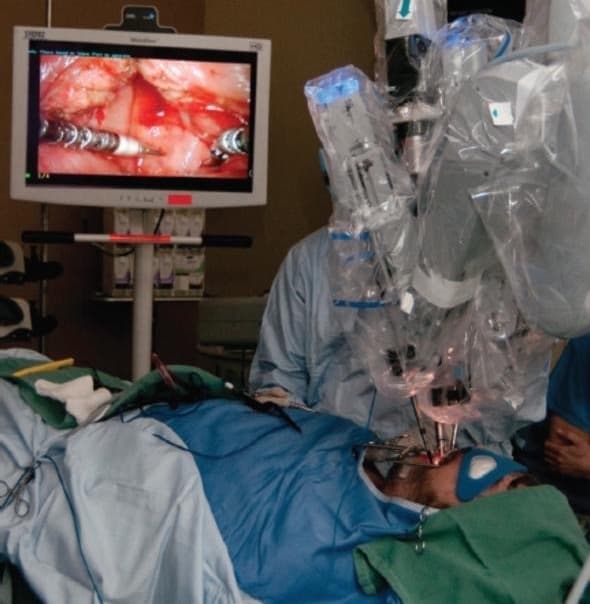
Oropharyngeal Cancer Successfully Treated with Transoral Robotic Surgery (TORS)
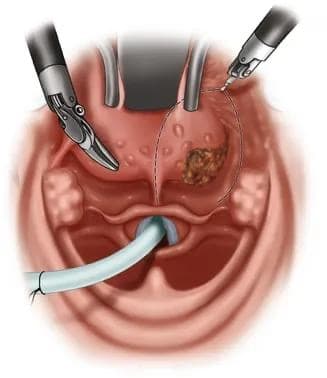
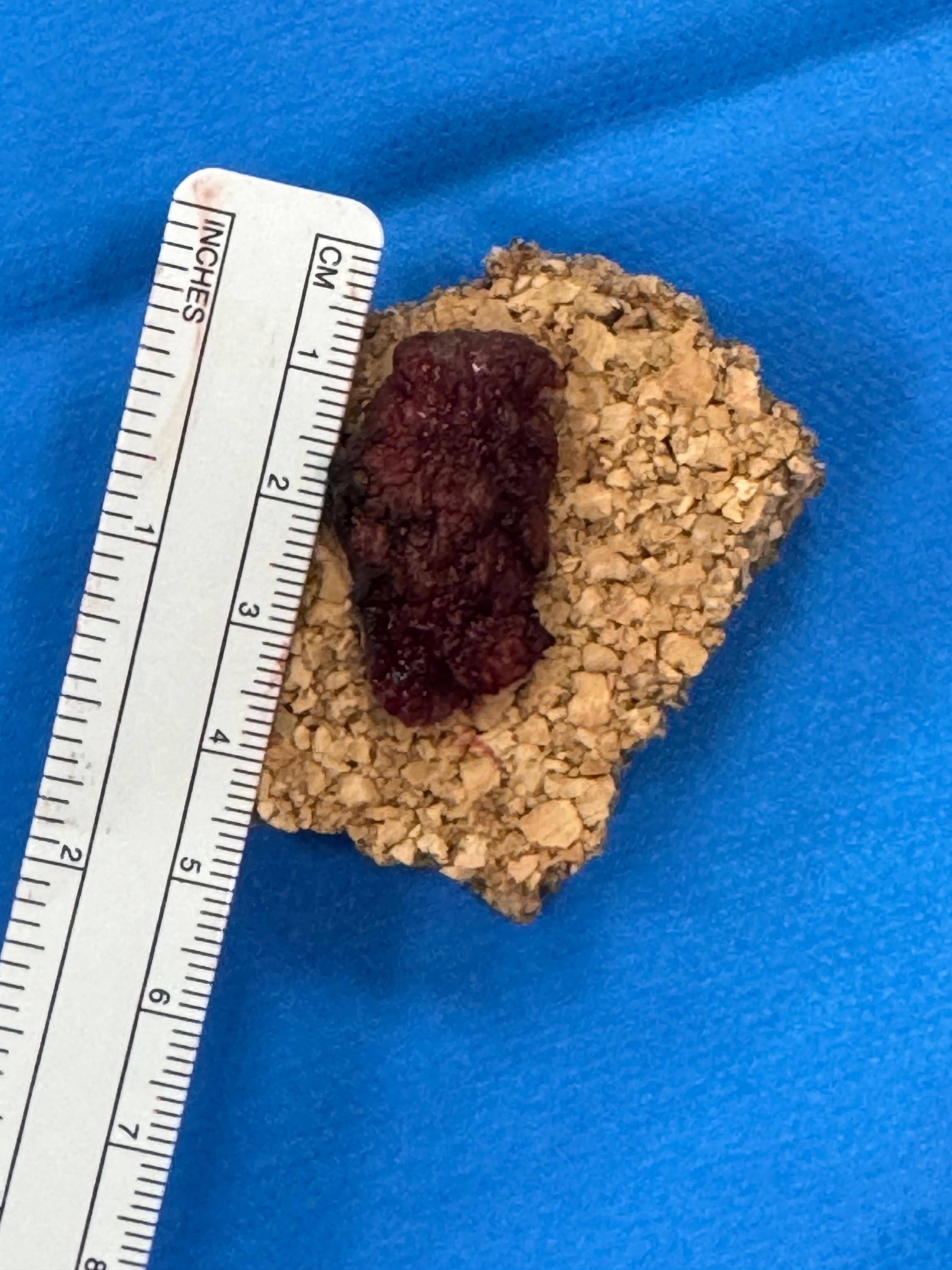
One of our recent patients was diagnosed with oropharyngeal cancer, a type of cancer that commonly arises from the tonsil, base of tongue, or soft palate. Following comprehensive clinical assessment and imaging, the tumor was staged as T2 N1 M0, indicating a localized primary tumor with involvement of a single cervical lymph node and no evidence of distant metastasis.
After multidisciplinary team discussion, the patient underwent Transoral Robotic Surgery (TORS) to remove the primary tumor, combined with a selective neck dissection to remove the involved lymph nodes and reduce the risk of regional recurrence.
The operation was completed successfully without complications. The tumor was removed entirely through the mouth, avoiding external facial or jaw incisions. The patient’s postoperative recovery was excellent, with an early return of swallowing function, and he was discharged home on the second to third postoperative day in good condition.
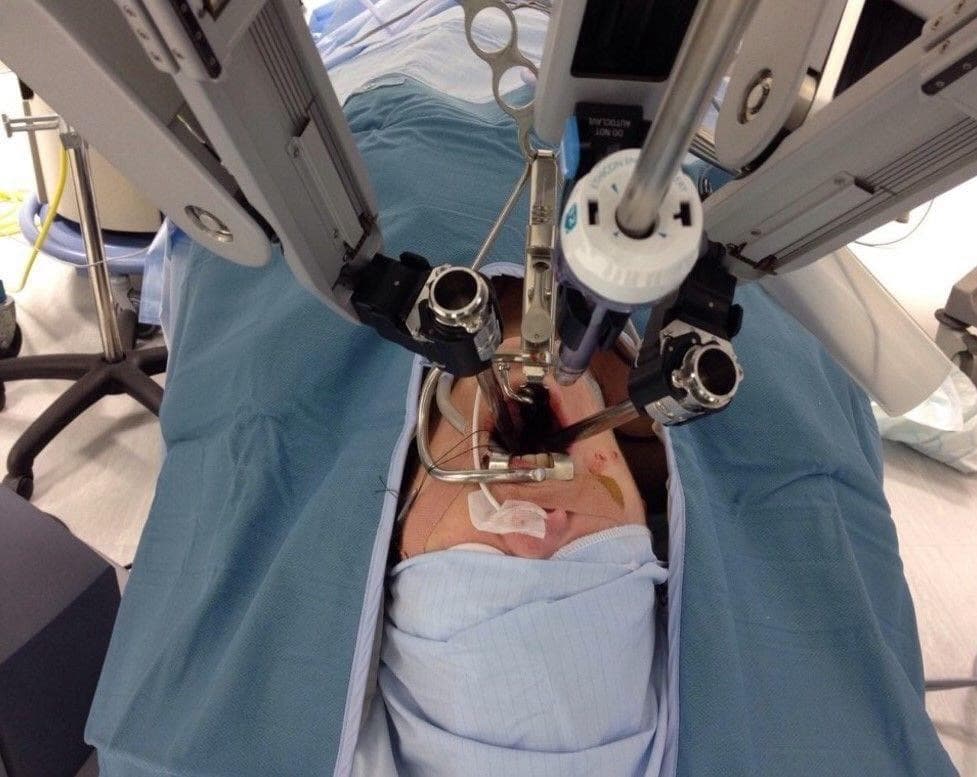
Transoral Robotic Surgery (TORS) represents one of the most significant advances in head and neck cancer surgery over the past two decades. By providing the surgeon with high-definition three-dimensional visualization and wristed robotic instruments, TORS allows precise removal of tumors located deep within the throat while minimizing trauma to surrounding healthy tissues. Its advantages include:
- Excellent visualization of difficult-to-reach tumors.
- Precise cancer removal while preserving healthy tissue.
- Reduced postoperative pain and bleeding.
- Faster recovery of swallowing and speech.
- Shorter hospital stay.
- Avoidance of external incisions in appropriately selected patients.
Awareness Message
Oropharyngeal cancer is highly treatable, particularly when diagnosed early. Anyone experiencing persistent symptoms for more than two weeks—such as difficulty swallowing, a sore throat that does not improve, a neck lump, voice changes, or an ulcer in the mouth or throat—should seek prompt medical evaluation. An encouraging development in recent years is the recognition that many oropharyngeal cancers are associated with Human Papillomavirus (HPV) infection. These HPV-related cancers often respond exceptionally well to treatment and are associated with excellent long-term outcomes when managed appropriately. Modern robotic surgery has transformed the treatment of selected patients with oropharyngeal cancer, offering effective cancer control while preserving swallowing, speech, and overall quality of life. This case is shared for educational purposes only. All patient-identifying information has been removed to protect patient privacy.