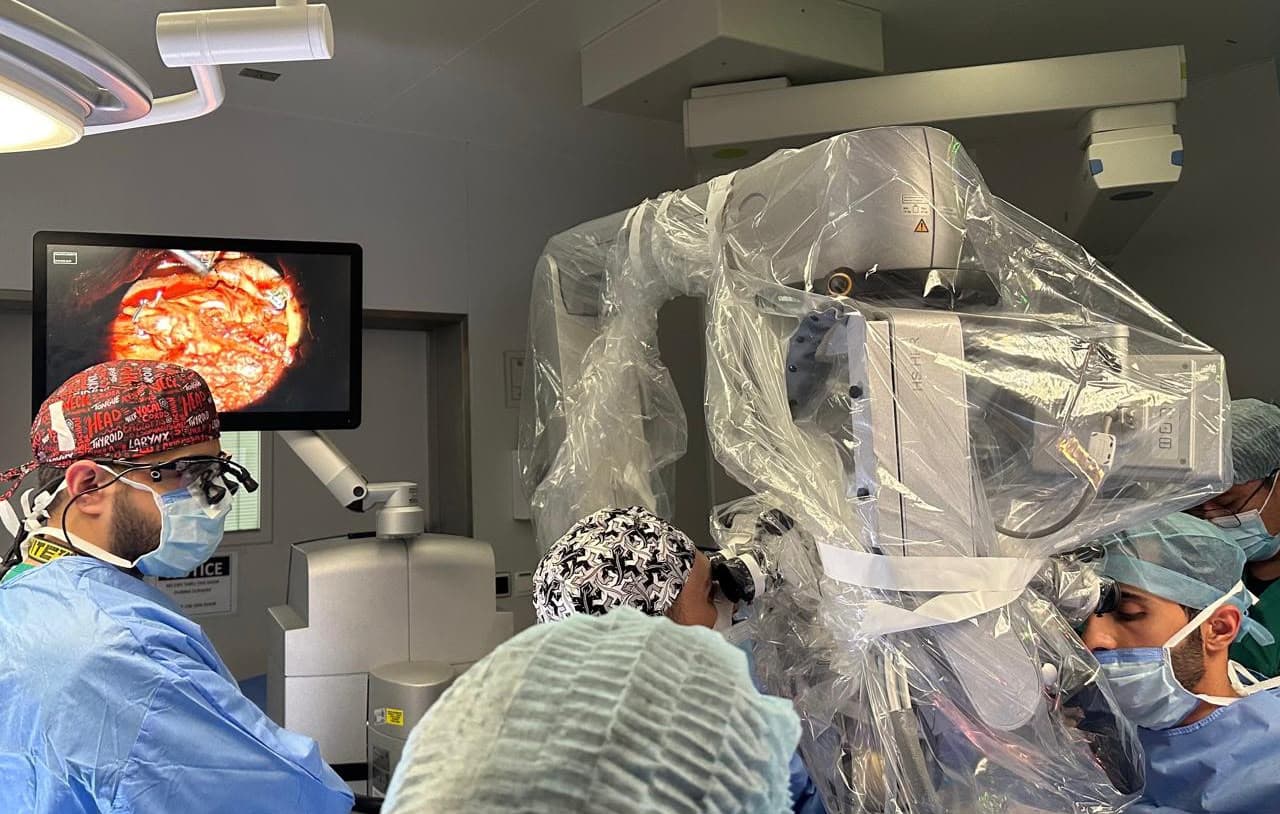
Advanced Oral Cancer Resection with Mandibular Reconstruction Using a Fibula Free Flap
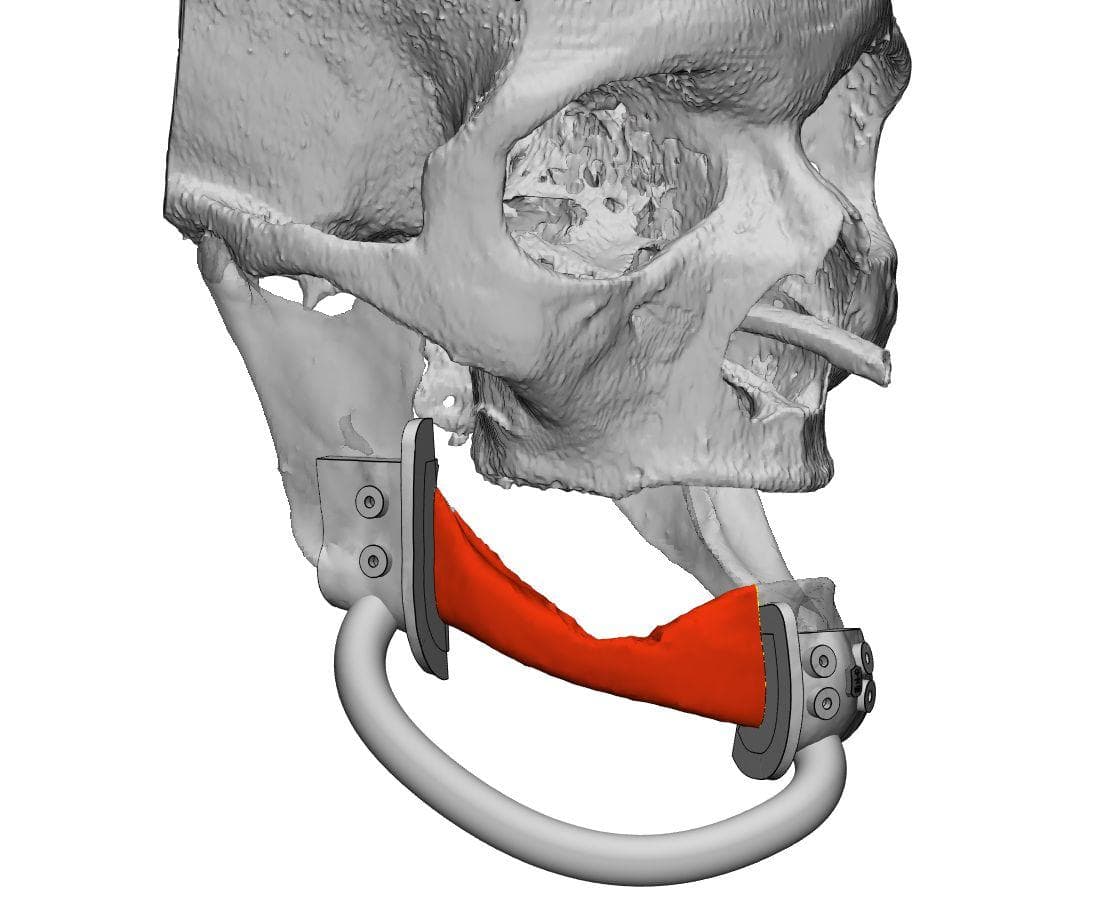
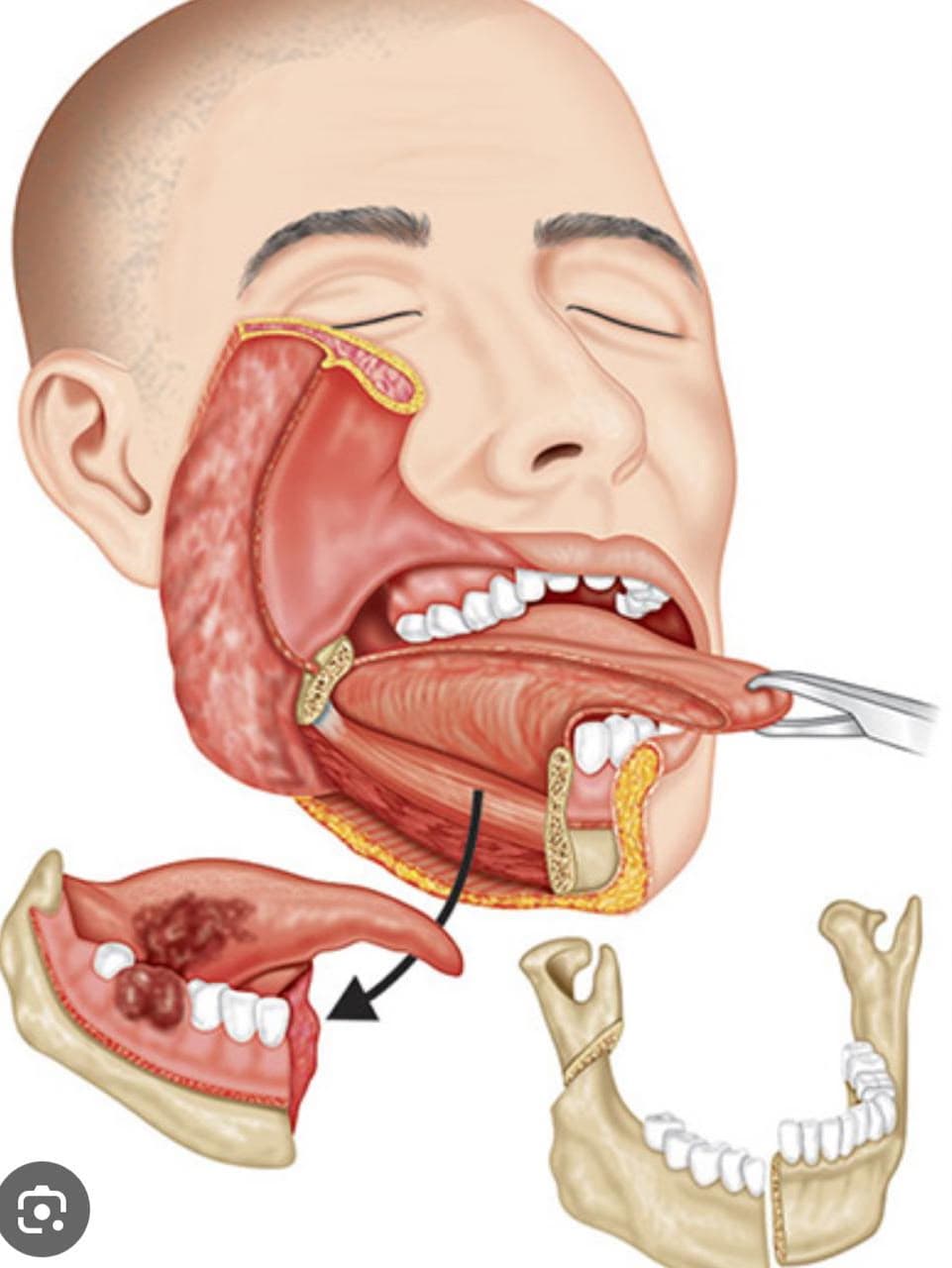
In one of the advanced surgical cases performed, a patient presented with oral cancer originating on the right side of the mandible. Imaging showed that the tumor had invaded the full thickness of the bone (bicortical invasion) and extended into the floor of the mouth and part of the buccal mucosa. Based on clinical and radiological assessment, the tumor was staged pre-operatively as T4a N2b M0 — indicating a locally advanced tumor with spread to several lymph nodes in the neck, without evidence of distant metastasis.
Because treatment of such cases depends on complete tumor removal while preserving oral and facial function as much as possible, the patient underwent a complex surgery lasting more than 12 hours. The surgery included:
- Complete resection of the tumor with a safety margin.
- Resection of the affected segment of the mandible (mandibulectomy).
- Resection of the affected portion of the floor of the mouth.
- Resection of the affected portion of the buccal mucosa.
- Bilateral neck dissection to remove the affected lymph nodes and reduce the risk of recurrence.
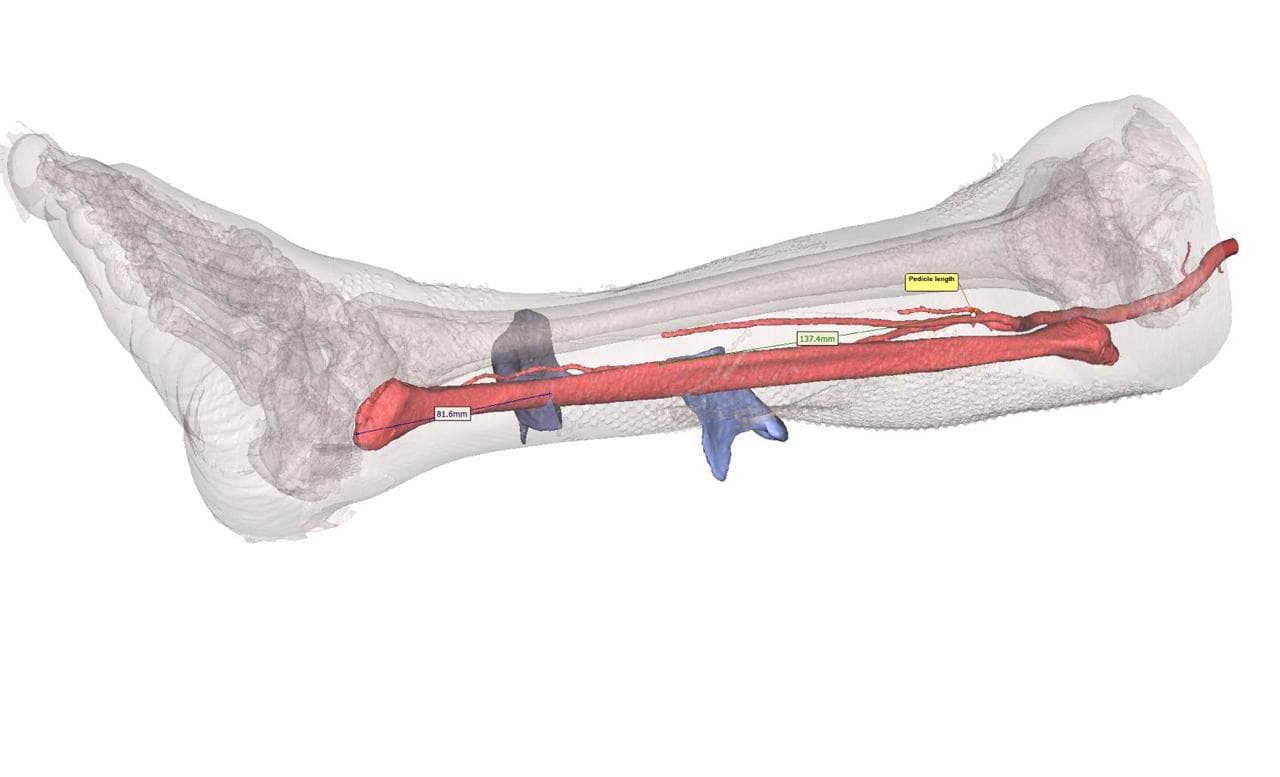
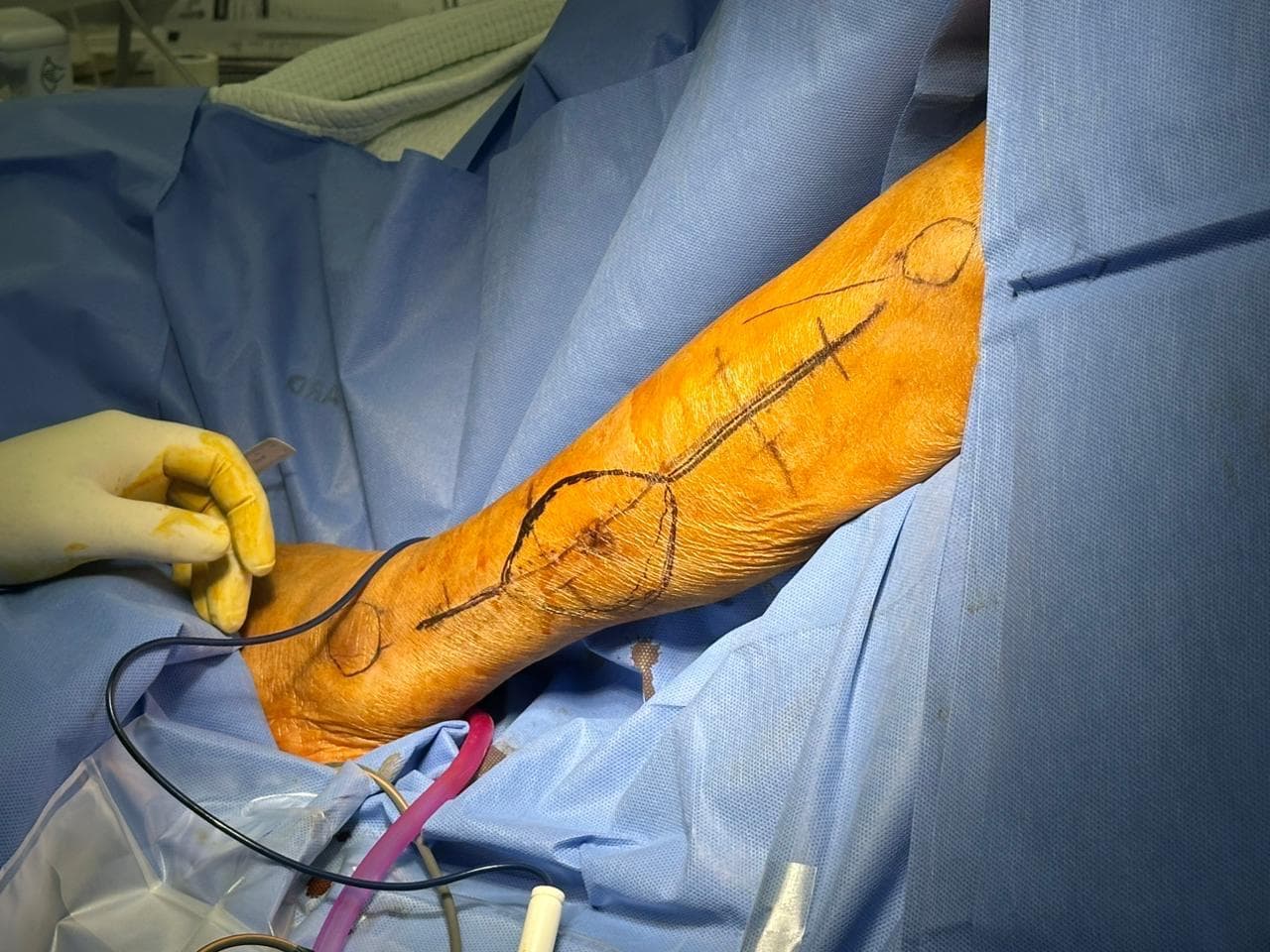
- Reconstruction of the mandible and resected tissue using a free composite bone and skin flap harvested from the fibula of the left leg (fibula free flap), with microvascular reconnection of the artery and vein under the surgical microscope (microvascular anastomosis) to ensure blood supply to the transplanted flap and restore form and function.
This reconstructive technique is among the most advanced approaches in head and neck cancer surgery, as it allows the mandible to be rebuilt using living, vascularized bone — helping restore the ability to chew, swallow, and speak, while largely preserving facial appearance.
Awareness Message
Oral cancer can be successfully treated when detected early. Any mouth ulcer that persists for more than two weeks, a lump, unexplained bleeding, persistent pain, difficulty chewing or swallowing, or unexplained loosening of teeth should not be ignored. Seeing a doctor in time can lead to earlier diagnosis, a less complex surgery, and a higher chance of recovery, God willing. This case has been published after removing all information that could reveal the patient's identity, with the aim of medical education and raising awareness, while fully preserving patient privacy.